Every so often, I stumble into a show to live in, a story so powerful and immersive, it touches every corner of my life. Winning Time: The Rise of the Lakers Dynasty is the latest show I’ve let swallow my life whole.
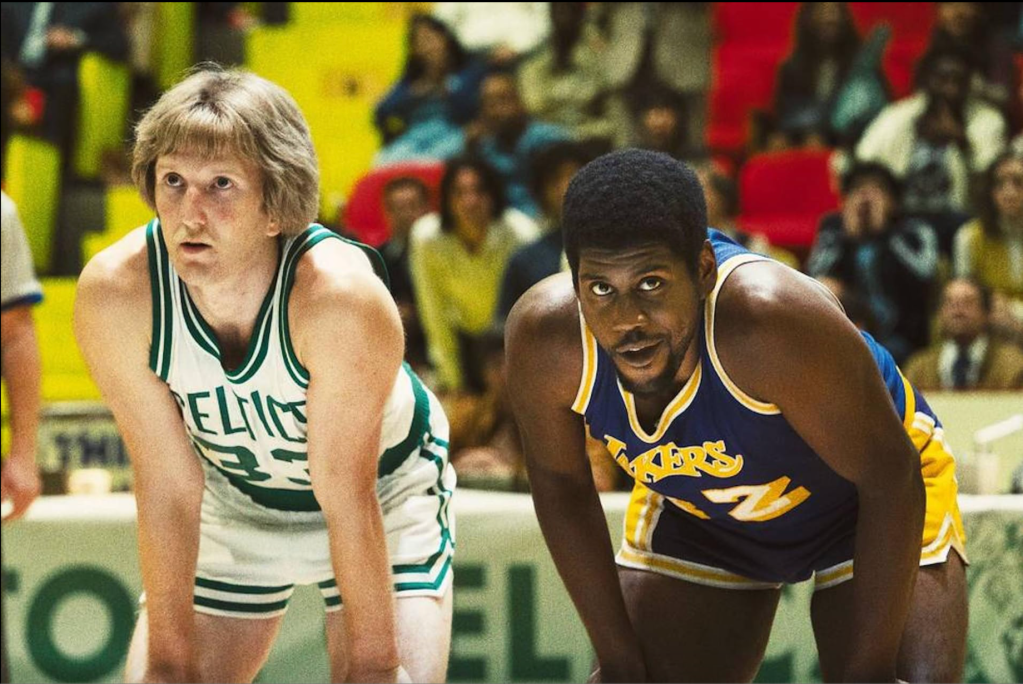
Let me begin by expressing tremendous gratitude for this show, a two-season, seventeen episode sprint through the birth of the Lakers franchise as we know it. Magic Johnson. Kareem Abdul-Jabar. Dr. Jerry Buss. Pat Riley. Need I say more?
It’s raunchy. It’s innovative. It’s over the top. It’s just plain fun.
It never stood a chance.
Winning Time is the second tentpole show HBO has pulled the plug on this year, following the cancellation of Perry Mason back at the start of the summer. Once again, quality doesn’t stand a chance in a world obsessed with the bottom line. While the demise of both shows could easily be blamed on the dual writers and actors strikes, the reality is this is what happens when you put people lacking any creative muscle whatsoever in charge of a business that hinges wholly on creativity.
But I digress…
The series, based on Jeff Pearlman’s Showtime: Magic, Kareem, Riley, and the Los Angeles Lakers Dynasty of the 1980s, chronicles the interlocking events surrounding the Lakers’ rise to basketball dominance. Every arc, from Dr. Jerry Buss’s attempts to reinvent and reinvigorate the Lakers franchise, to Pat Riley’s rise from timid announcer to reluctant coach, is so wholly engaging, you can’t help but we swept away.
I was so captivated, I bought the book and listened to the podcast (a phenomenal example of Austin Kleon’s practice of showing your work). I gave myself over to this story. And in an increasingly media-saturated world, finding a story I’m willing to surrender to completely is an increasingly rare thing. (As I’ve said about television for years, you don’t get a golden age without a gold rush.)
It was first on an episode of the the podcast, and again in the book, that I learned about Pat Riley’s concept of peripheral opponents.
To quote Jeff Pearlman:
Later on in his coaching career, Pat Riley liked to use the phrase “peripheral opponents” to group the ceaseless distractions faced by professional athletes. Travel, wives, kids, parents, in-laws, groupies, speaking engagements, the press–all peripheral opponents. What the best of the best did, he said, was gather all the peripheral opponents, place them in a small cardboard box and slide it beneath the bed until the season ended.
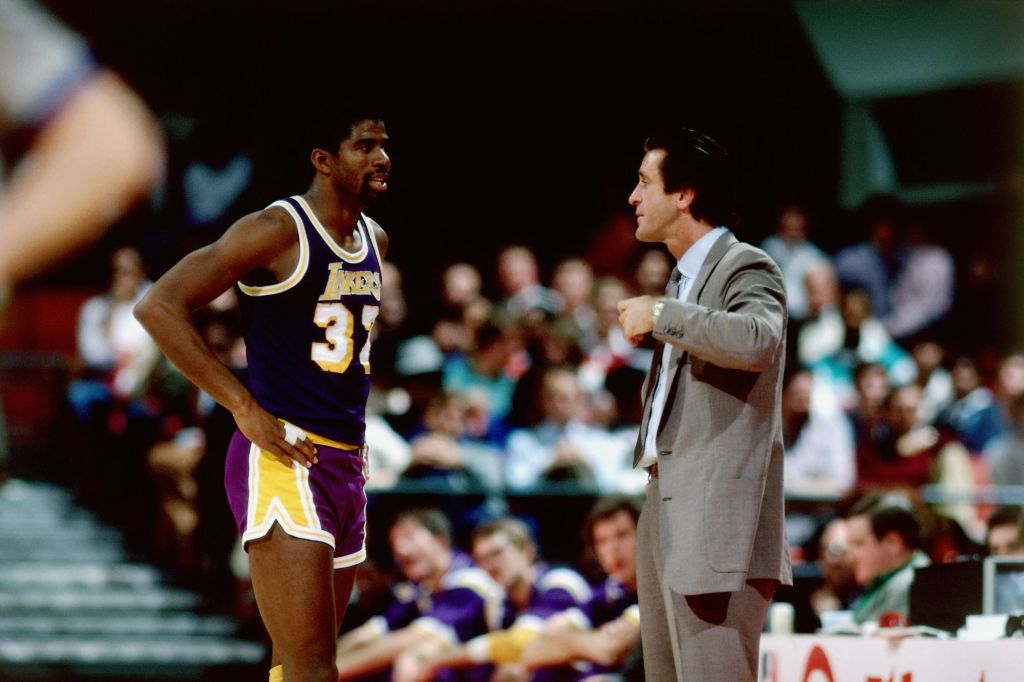
Nothing about my life overlaps with anything experienced by a professional athlete. But I know a thing or two about peripheral opponents. Not so much the kind that pull focus from the winning an NBA Championship. More the kind that try to prevent me from showing up every day and putting words down on the page.
My peripheral opponents look like the well-meaning friends and bumbling acquaintances who remain adamant I should give up writing and instead get a job transcribing AI.
My peripheral opponents sound like my college professors, who told me things like, “You’re a pretty good writer, but you’ll be in law school in five years,” or “You need to do anything else with your life.”
My peripheral opponents are low pay, poor residuals, lack of creative control or proper credit, the most inspiring shows on TV getting cancelled, and the imploding business model that’s propped up the entertainment industry for the last decade.
My peripheral opponents are modern day robber barons strip mining the world, fascists trying to game the government, and the voice in my head that says nothing I have to say matters in a society hell-bent on shredding itself to pieces in the face of an ever-warming world.
There’s no shortage of peripheral opponents, but Steven Pressfield would use a different word: resistance.
In the creative battle, the only opponent that matters is the one whose defeat is guaranteed when I show up at my keyboard every morning.
 joshua chamberlain